From a cut-file request to a full operations system.
Cut files that took ten to fifteen minutes each by hand now come out hundreds at a time. Automating that one step grew into the system that runs Wetherby Ridge's orders, customer email and phone, and the nightly cut engine, with a human in the loop where it counts.
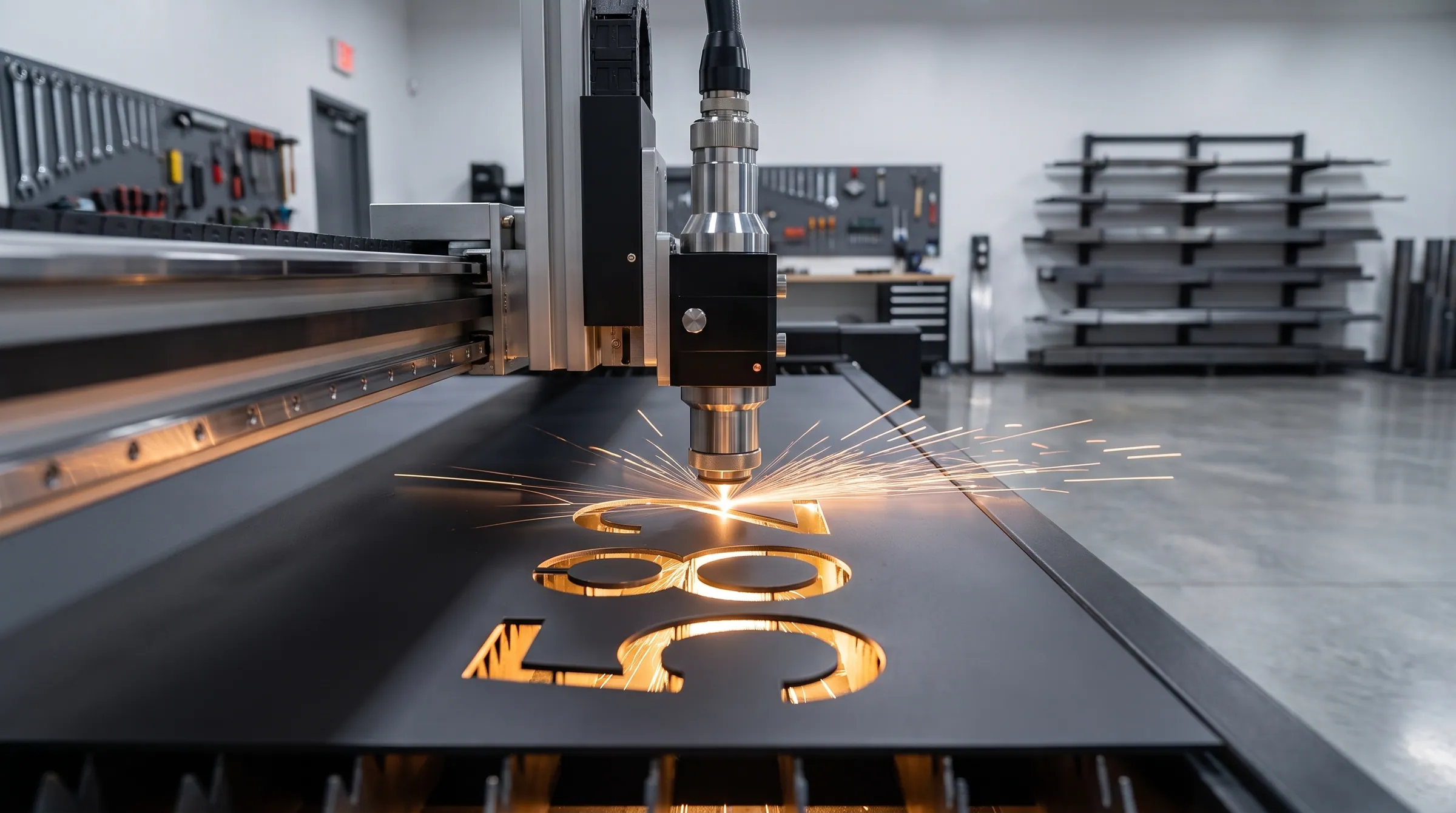
The ask was cut files. The real work was the operation.
Files were prepared by hand, ten to fifteen minutes each, across two separate storefronts. Following that one task from order to production surfaced the rest: customers chasing status through an eight-to-ten-week build, and the owner carrying information between records by hand.
One system, five surfaces
Order capture, customer email, the phone line, the Ops Console's assisted drafting, and the cut engine all run off the same reconciled order-and-status spine.
Order status across two storefronts and the floor
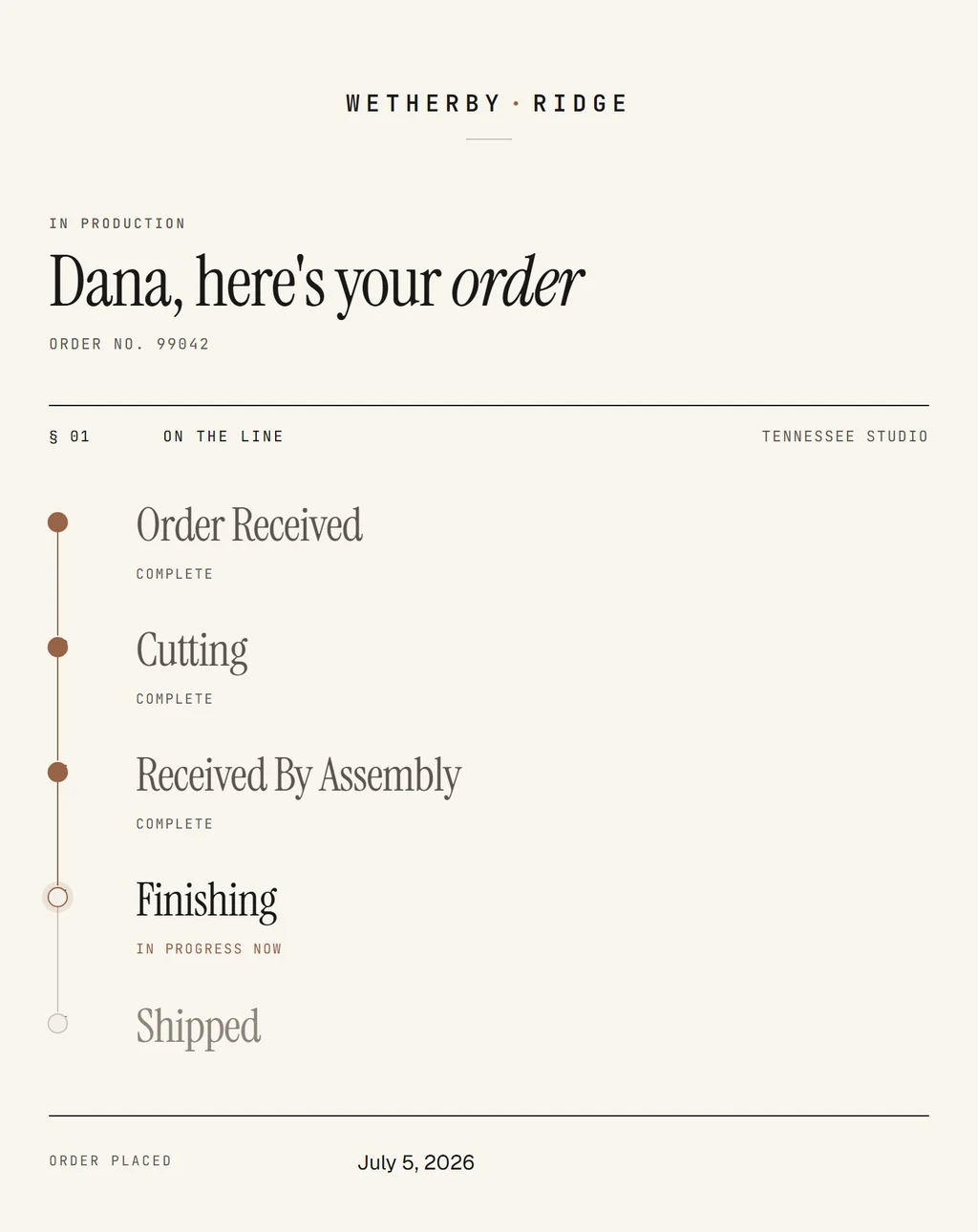
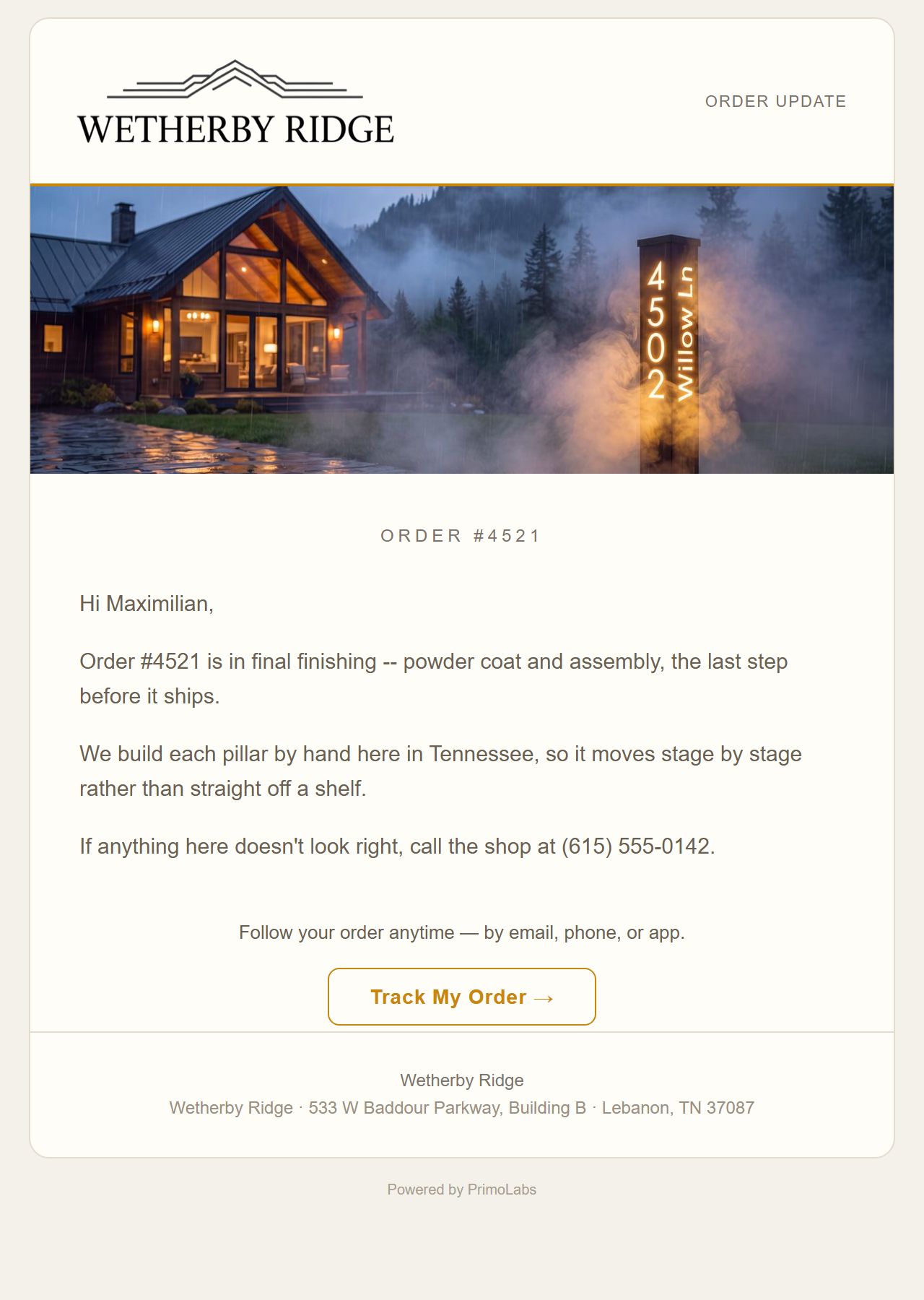
One lookup spans BigCommerce and Shopify and joins the production floor's own sheet, so a customer never has to know which store holds their order.
- Privacy-gated: a wrong email or an unknown order returns the identical “not found,” so no one ever sees another's order.
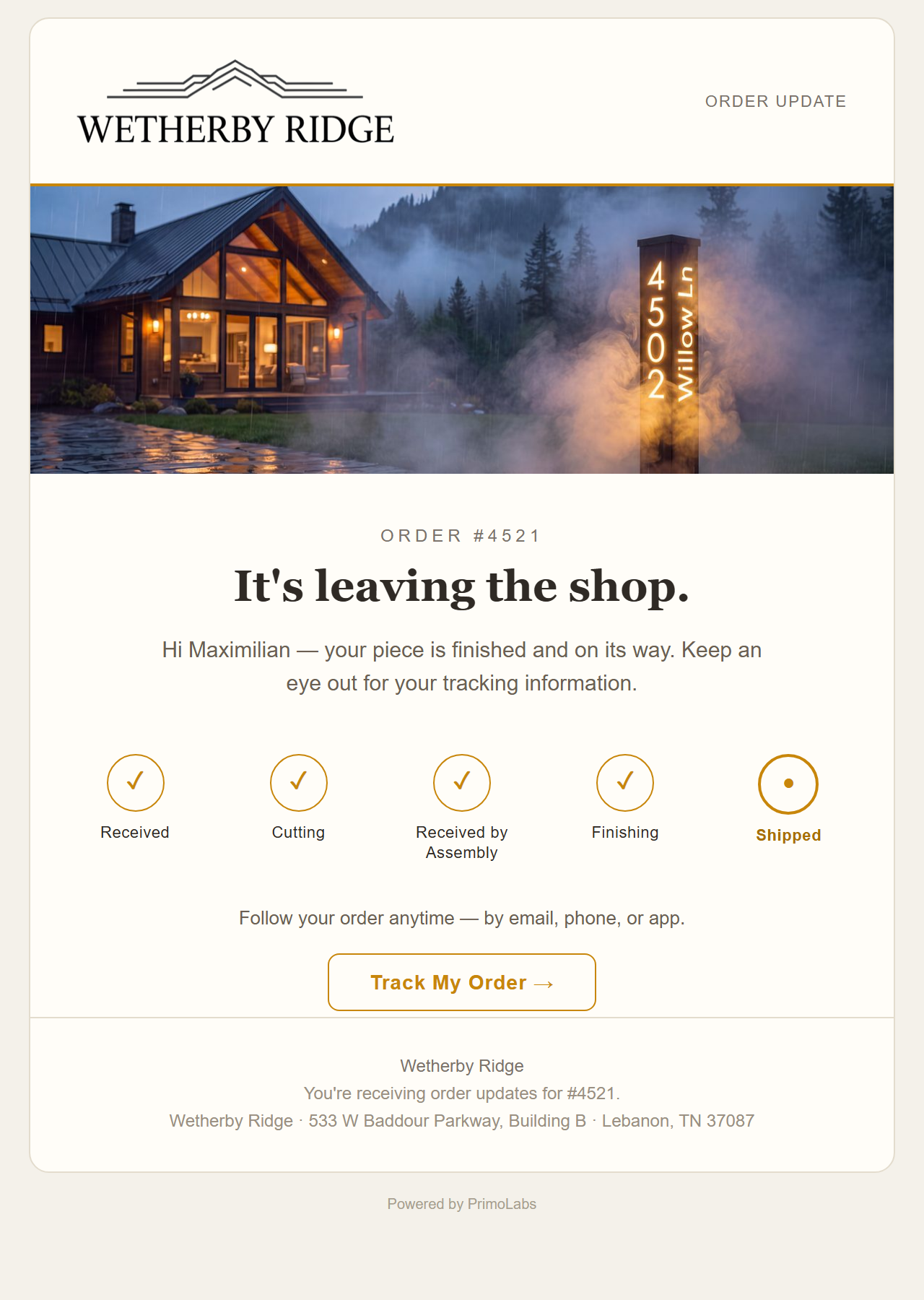
- Shipment status is authoritative: the moment a fulfillment tracking number posts, the order flips to “Shipped” on its own.
What changedThe owner stopped being the switchboard; customers self-serve by web, phone, and email.
Inbound and outbound email, run by one agent
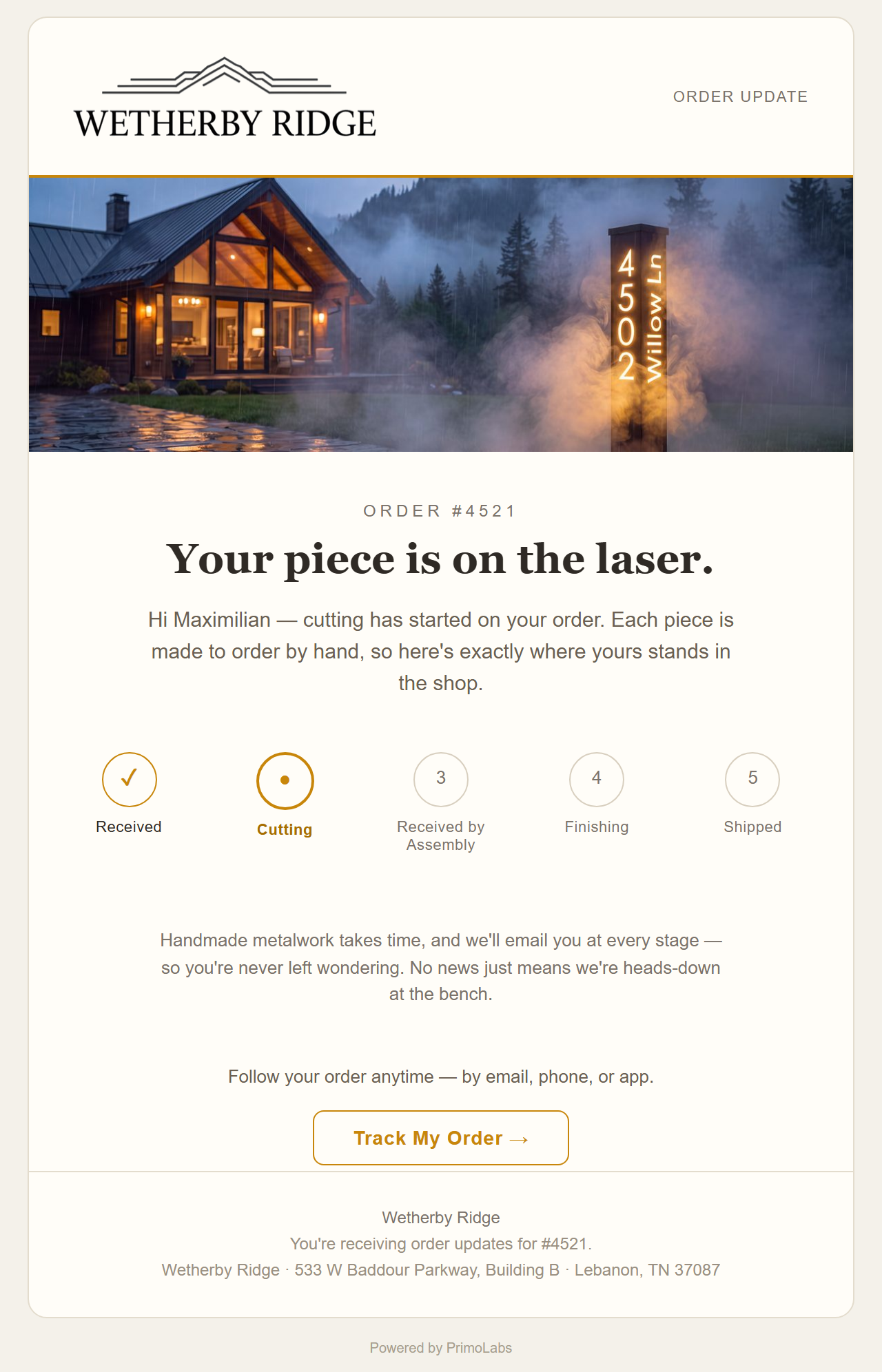
The email agent works both directions. Inbound, every message gets read and answered on its own whenever the answer sits inside the guardrails the shop set, in the shop's voice and from live order data. Outbound, branded stage updates go out as each order advances. Everything else escalates to a person in the Ops Console, the custom app that brings email, phone, and customer service into one queue.
- Triaged into status questions, money and disputes, callbacks, and the rest, each routed to the right path.
- Anything touching money or a dispute is flagged first and routed to a person, never auto-answered.
What changedSimple status emails answer themselves; the cases that matter surface in the Ops Console.
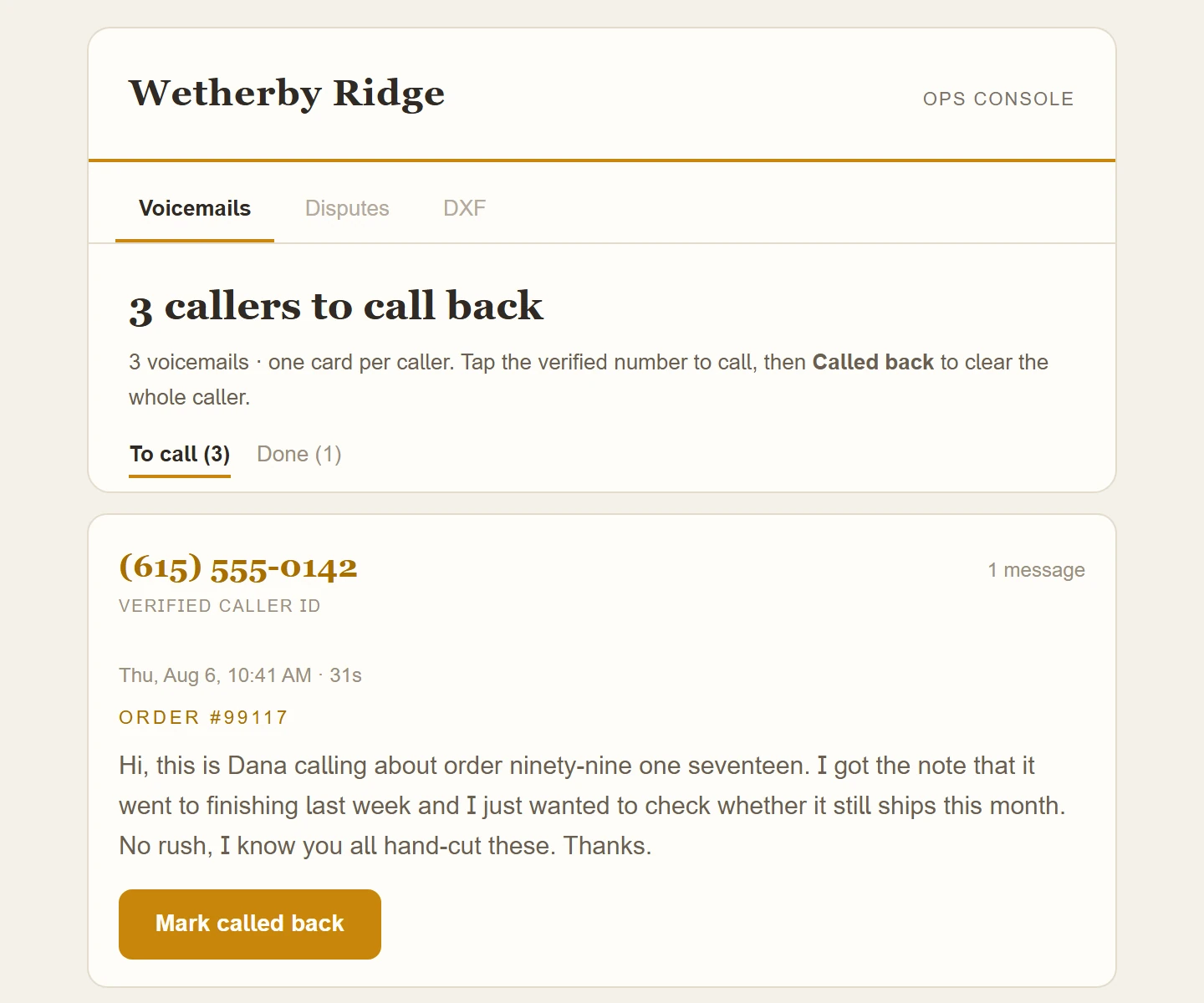
A phone line that answers, routes, or takes a message
Callers check order status by voice, get routed to the shop during hours, or leave a voicemail that is transcribed, emailed to the owner, and dropped into the Ops Console callback queue with the matched order.
What changedVoicemails become a worked list, not a full inbox.
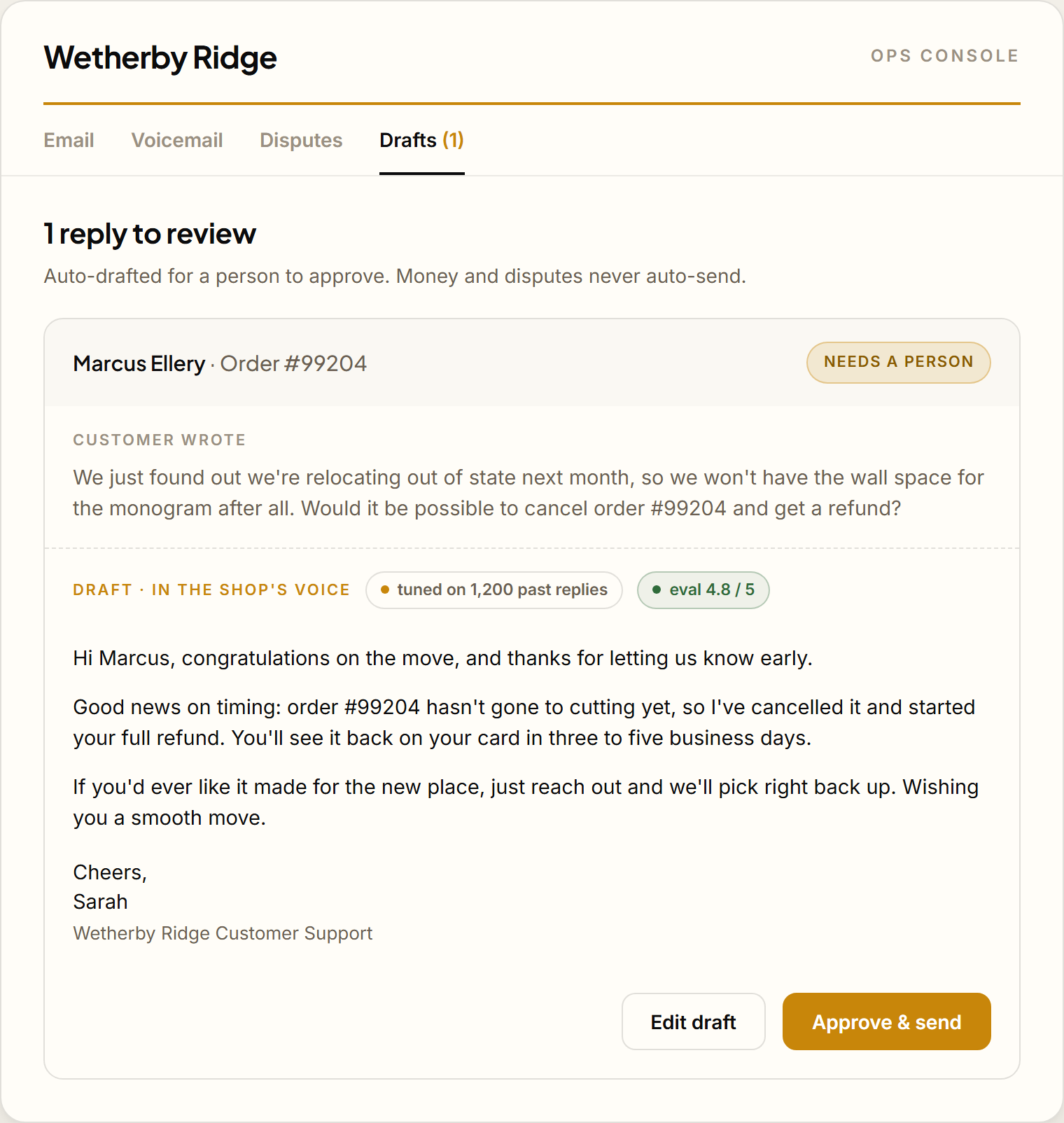
An Ops Console that drafts the hard replies for a person
For the replies the auto-responder won't touch (disputes, judgment calls, pre-sales inquiries), the Ops Console opens a draft written by an LLM trained and tuned on the shop's own past emails, and a person edits and sends.
- The draft model is tuned on real Wetherby replies, so it opens in the shop's voice, not a generic template.
- An eval suite grades every change before it ships, so the drafts keep getting better without drifting off-brand.
What changedThe owner reviews and sends instead of writing from a blank page.
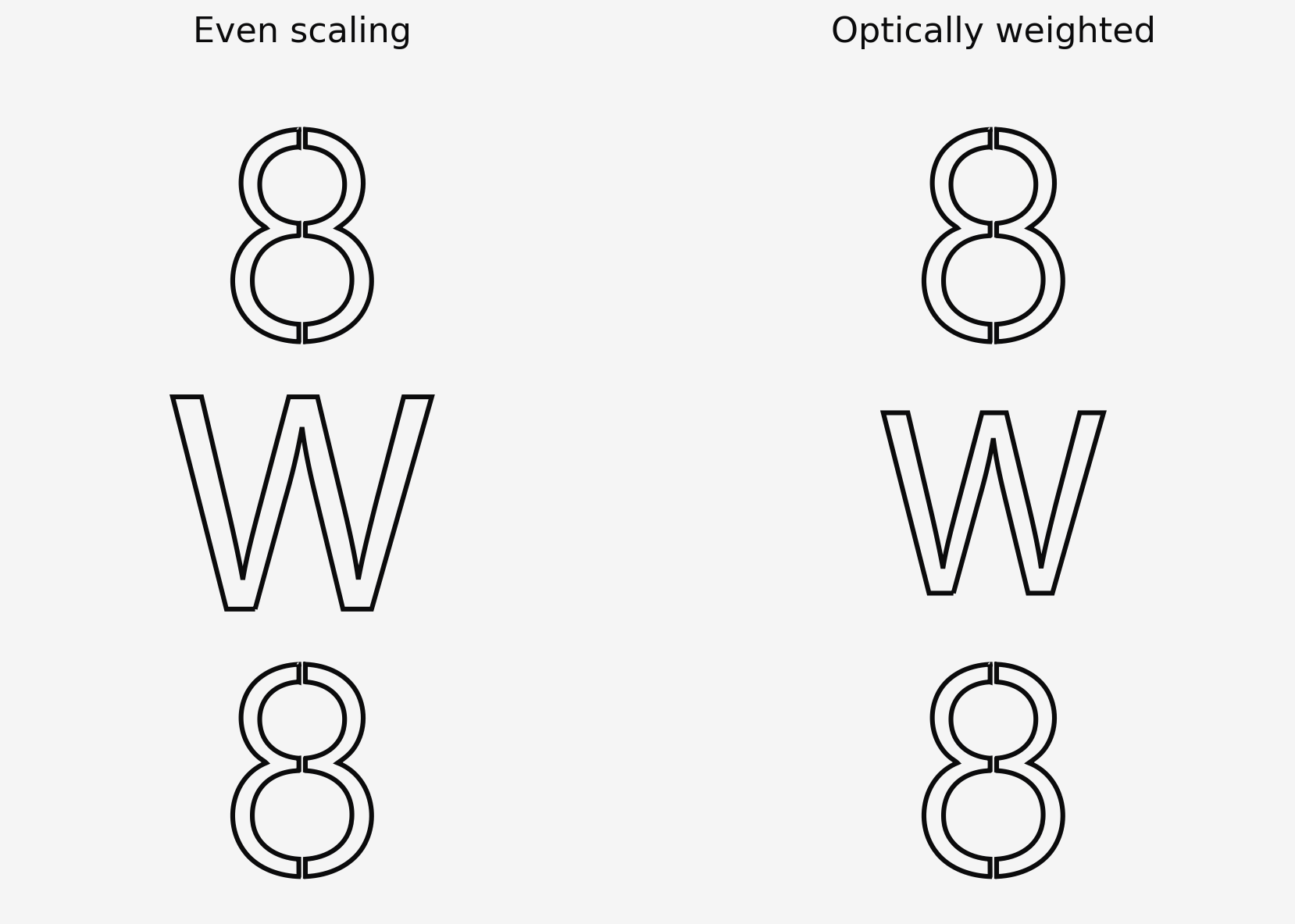
A cut engine with the shop's judgment coded in
The nightly generator turns cut-ready orders into validated files, down to the optical weighting that narrows a wide letter so its weight matches the numbers instead of overpowering them.
What changedHand-drafting each file gave way to hundreds generated in seconds.
How the autonomy stays safe
Letting software answer a customer only works if the edges are engineered. Every autonomous reply clears the same gates before it can send.
- Money, disputes, and any legal or chargeback mention are classified first and can never auto-send.
- A safety eval suite proves the gates hold: money to a human, voicemails to a human.
- A per-run send cap drains a backlog gradually instead of firing thousands at once.
- A loop guard drops auto-responders, no-reply addresses, and bounces before any reply path runs.
- A single kill switch reverts the whole system to draft-only, with no code change and no deploy.

The results
Where the board sits
Order stages, July 2026 snapshot (4,075 on the board)
What the approach changed
We connected the work around the tools the shop already used. The floor kept the spreadsheet it knew, the owner stopped relaying information by hand, and a person still approves every file before steel is cut. The win was never the file automation alone. It was following that one task into the whole operation around it.
